


Article content
If crisis management is about preventing a bad situation from getting worse, the federal government deserves full marks for its decision to adjust the list of American goods that will be subject to tariffs.

THIS CONTENT IS RESERVED FOR SUBSCRIBERS
Enjoy the latest local, national and international news.
- Exclusive articles by Conrad Black, Barbara Kay and others. Plus, special edition NP Platformed and First Reading newsletters and virtual events.
- Unlimited online access to National Post.
- National Post ePaper, an electronic replica of the print edition to view on any device, share and comment on.
- Daily puzzles including the New York Times Crossword.
- Support local journalism.
SUBSCRIBE FOR MORE ARTICLES
Enjoy the latest local, national and international news.
- Exclusive articles by Conrad Black, Barbara Kay and others. Plus, special edition NP Platformed and First Reading newsletters and virtual events.
- Unlimited online access to National Post.
- National Post ePaper, an electronic replica of the print edition to view on any device, share and comment on.
- Daily puzzles including the New York Times Crossword.
- Support local journalism.
REGISTER / SIGN IN TO UNLOCK MORE ARTICLES
Create an account or sign in to continue with your reading experience.
- Access articles from across Canada with one account.
- Share your thoughts and join the conversation in the comments.
- Enjoy additional articles per month.
- Get email updates from your favourite authors.
THIS ARTICLE IS FREE TO READ REGISTER TO UNLOCK.
Create an account or sign in to continue with your reading experience.
- Access articles from across Canada with one account
- Share your thoughts and join the conversation in the comments
- Enjoy additional articles per month
- Get email updates from your favourite authors
Sign In or Create an Account
or
Article content
Late on Wednesday, Finance Canada announced that it was removing U.S. seafood and fish products from the list of tariffed goods, “based on feedback.”
Article content
Recommended Videos
Article content
That feedback was white-hot anger expressed by Canadian seafood producers, who threatened to go public with their frustration, creating a breach in the united Team Canada front.
Article content
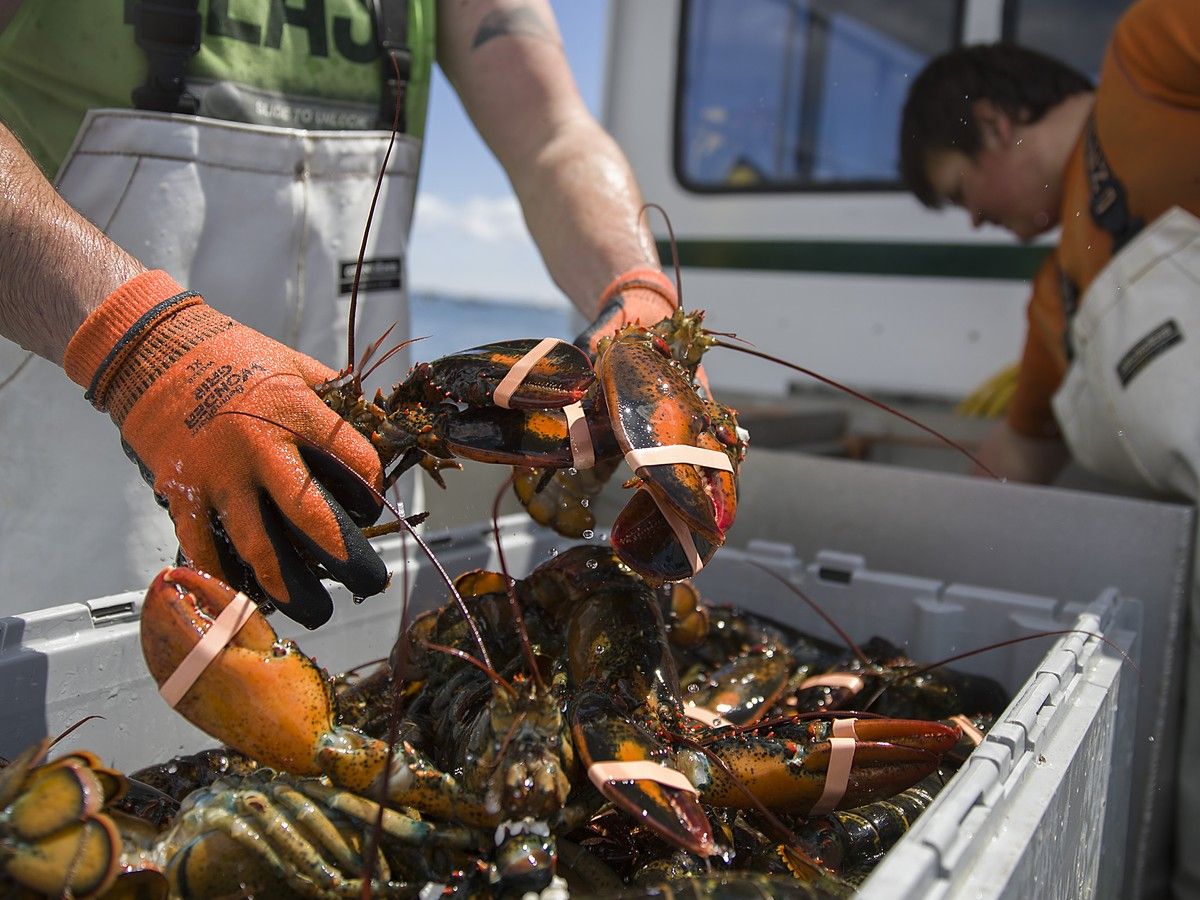
On a Finance Canada call with stakeholders on Tuesday, producers expressed concerns that the government had pledged to impose a 25 per cent tariff on U.S. seafood, including Maine lobster, even though the list of U.S. targets did not include Canadian seafood products.
Article content
The producers were terrified that the Americans would respond with a 50 per cent tariff that would kill the market for the 80 per cent of Canadian aquaculture products that go south.
Article content
From the perspective of exacting maximum political pressure on Donald Trump, the imposition of a tariff on Maine lobster was inspired. The seat of Republican Senator Susan Collins is up for grabs in November’s midterm elections and it is considered a toss-up by most predictive markets.
Article content
A relieved Collins posted on X Thursday that she appreciated Canada’s decision to remove seafood and fish products from its retaliatory tariff list.
Article content
“I urge the U.S. to respond to this show of good faith from our Canadian friends by returning to the negotiating table and working to amicably resolve this trade dispute,” she said.
Article content
Article content
I very much appreciate Canada’s decision to remove seafood and fish products from its retaliatory tariff list. These tariffs would have caused tremendous harm to Maine’s lobstermen, disrupting one of their most important markets during the fall fishing season.
I urge the U.S. to…
— Sen. Susan Collins (@SenatorCollins) August 27, 2026
Article content
A 25 per cent tariff imposed by Canada would likely prove to be highly damaging, given that up to 60 per cent of the state’s lobster catch is sent to Atlantic Canada to be processed. Canada has historically bought around $400 million of Maine’s catch. “Maine lobstermen and the industry as a whole didn’t start this fight. We are just the ones getting hit with the bill,” wrote the MaineWonk, a popular policy commentator based in northern Maine.
Article content
By signing up, you consent to receive the above newsletter from Postmedia Network Inc.
Article content
However, the Canadian industry argued that not only would jobs involved with processing and storing the $1 billion of American seafood imports be at risk but the viability of an aquaculture sector that exports $4 billion south would be in question if the Americans retaliated.
Article content
The Canadian Aquaculture Industry Alliance is understood to have written to Finance Canada, giving the government 48 hours to roll back the policy or it would consider going public with its concerns.
Article content
While exerting maximum political pressure was one of the competing objectives considered by the government in drawing up its list of targets, the priority, at least according to Industry Minister Mélanie Joly, is to protect jobs and businesses.
Article content
Article content
The latest news from Canada-U.S. Minister Dominic LeBlanc is that talks might resume if the Americans “clarify” their position on sticking points like language and culture policies. That followed a CBC interview with the U.S. Trade Representative Jamieson Greer, in which he said that such issues were not a red line.
Article content
In such an environment, imposing tariffs in sectors that have not been targeted by the White House would be unnecessarily provocative – and potentially costly to Canada.
Article content
The decision to show flexibility in response to Canadian businesses, while being clear that the dollar-for-dollar retaliatory tariffs are immutable until a deal is reached, is smart politics.
Article content
jivison@criffel.ca
Twitter.com/IvisonJ
Article content

