
Rob Breakenridge: Criticizing Carney’s tariffs is hardly treason
Article content
Assuming that’s the goal — and that such a goal is in Canada’s interest — then it’s hardly disloyal to favour a course of action that gets us back to the negotiating table and that minimizes disruptions in the remaining trade between the two countries.
Article content
Maybe there’s no point in talking to the Americans for now. Maybe it’s time to draw a line in the sand. Reasonable people can disagree on the best path forward here.
Article content
But given that less than a week ago, our official position was to negotiate and be willing to make compromises toward the broader — beneficial — goal of an agreement with our biggest trading partner, it’s unfair to paint those who still hold that position as quislings or fifth columnists.
Article content
Moreover, for all our efforts to remind Americans that their tariffs are inflicting costs and economic damage on themselves, the same holds true for our own retaliatory tariffs. Whether we believe they’re morally or strategically justified doesn’t make them any less economically painful.
Article content
It’s not disloyal to worry about compounding the damage to Canada’s economy that Trump’s tariffs will already cause. Public opinion may be on the side of going to the mattresses and making the Americans feel some pain, but we can have room for differences of opinion on the extent to which we attempt to do so.
Article content
Article content
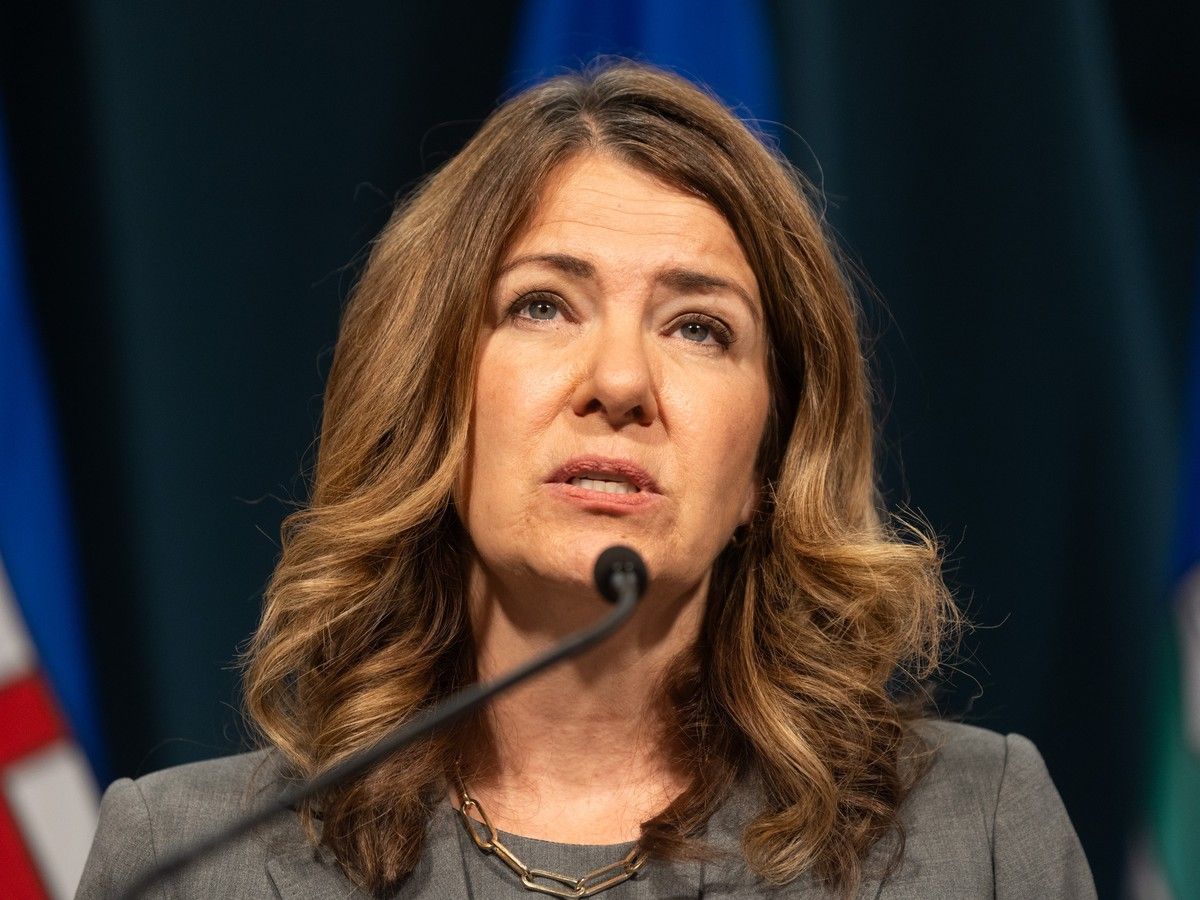
Alberta’s premier seems to be bearing the brunt of the accusations of falling short of “Team Canada” expectations. Given that Alberta is in the throes of a separation referendum and that Premier Danielle Smith leads a party with a not insignificant amount of separatist sentiment, there is some degree of invited suspicion.
Article content
Smith’s expressed concern about the impact of higher and broader tariffs, though, is hardly unwarranted. And the desire to get back to the negotiating table is, again, presumably what Ottawa hopes to achieve at some point.
Article content
Furthermore, the reluctance to put certain tactics on the table, such as Ottawa taxing or restricting oil exports to the U.S., is understandable.
Article content
For one, while we can bristle at the idea of pandering to separatists, such federal interference in the oil and gas industry would be ill-timed and counterproductive to the federalist cause in Alberta.
Article content
But also, premiers can be advocates for their regions and their industries. We see Quebec’s premier making it clear that their red line is protecting language and culture, as well as supply management. Ontario’s premier is obviously prepared to do whatever it takes to protect the auto sector. Surely Doug Ford would be hesitant to put that sector at risk if Trump’s tariffs were targeting Canadian oil and gas.
Article content
Article content
And, as Smith pointed out Wednesday, placing an export tax on Canadian oil would surely provoke an American response. An export tax on American oil that flows into Canada would be dire for Ontario and Quebec especially.
Article content
Ultimately “Team Canada” shouldn’t mean unanimous, unwavering support for whatever course of action the federal government happens to favour at the moment. We should be able to agree that Canada is the aggrieved party here and that it’s regrettable that our closest ally and most important trading partner has chosen this path.
Article content
It’s still reasonable to ask, however, what it is we’re trying to achieve moving forward, and what the costs and benefits of a particular tactic might be.
Article content
Ultimately, this whole debacle only serves to underscore the value and importance of free trade, and it’s still a pro-Canada position to desire free trade and to acknowledge the very real downside of tariffs and other trade barriers.
Article content
Rob Breakenridge is a Calgary-based podcaster and writer. He can be found at robbreakenridge.ca and reached at rob.breakenridge@gmail.com
Article content
Copyright © 2026 Jwala Varadhi – Telugu Breaking News, AP, Telangana, Politics & Latest Updates. All rights reserved.
 প্রিন্ট করুন
 সেভ করুন