Jazz Corner: The Evolution of Indian Jazz
From Bombay’s film studios to Calcutta’s jazz clubs, we trace the people and places that shaped the culture of jazz in India.

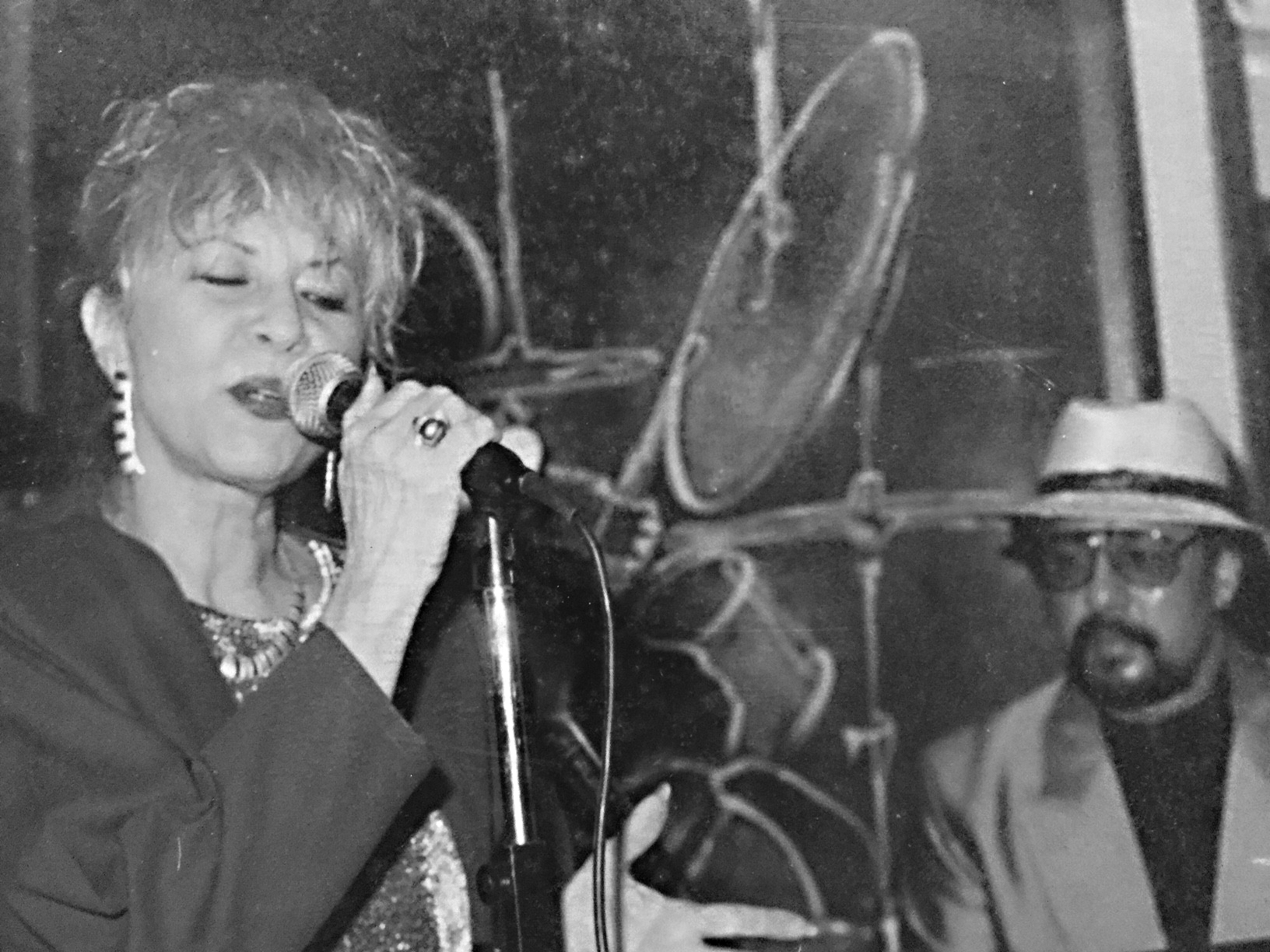
Pam Crain performing with Louiz Banks in Bombay in 1995. Photo: Courtesy of Gigatainment
India may well be an outpost of jazz, but the story of this genre in the country is interwoven with the tales of Goan and Anglo-Indian musicians, the film industry, dance bands, hotels, and an entire subculture of music it has helped birth.
Jazz came to India as early as the 1930s via touring American bands. In Bombay, the Taj Mahal Hotel hosted jazz bands led by Americans Leon Abbey and Terry Weatherford, who played regularly as resident bands for diners. Over time, these bands began inducting Indian musicians into their ranks, sowing the seeds of a jazz culture in India.
The growth of jazz in India was largely as dance music. Urban hotels and restaurants in Bombay, Calcutta, Bangalore and Delhi gradually hired jazz bands, with mutual benefits accruing. The music played was largely covers of songs by American and European bands, which reached India through imported recordings. However, the quest for originality among talented musicians led to compositions based on local folk music, mainly from Goa.
This brought jazz closer to the then-young film industry in Bombay and Calcutta. The concept of orchestration and its arrangements excited film music composers, notably C.Ramchandra, as early as the 1940s and 50s. Later, other music directors, notably Shankar-Jaikishan, Laxmikant-Pyarelal, and R.D. Burman, among others, leveraged jazz to good effect in composing music for Hindi movies.
Jazz musicians in Bombay who could read music and write arrangements made a fair impact on some of the movie scores and songs, and Jazz acquired an Indian flavor in the process.
At another level, wonderful individual virtuoso jazz musicians — such as Mickey Correa, who played many instruments but mainly the saxophone; Rudy Cotton (real name Cawas Khatau), who played the saxophone; Chic Chocolate (Antonio Xavier Vaz), on trumpet; Johnny Gomes, on saxophone; and Solo Jacobs, on piano — formed the foundation for the future of jazz in India.
Calcutta was quite a hub for jazz in the late 1950s and 60s. Some very notable jazz musicians made a big splash on the Indian jazz scene, including vocalist Pam Crain, pianist Louiz Banks, saxophonist Braz Gonsalves (who moved to Calcutta from Bombay), and guitarist Carlton Kitto. Usha Uthup sang jazz numbers laced with indigenous masala, reaching a wider base of listeners.
Two other musicians who also left an indelible mark were Madhav Chari and Asha Puthli. Chari was a brilliant jazz pianist from Calcutta, and Puthli a pathbreaking jazz vocalist from Mumbai. However, both were away in the U.S. for long periods and, as a result, did not have much influence on the Indian jazz scene.
The 1978 Jazz Yatra was the first festival of its kind, and a significant step ahead for jazz in India. Held every two years, this festival brought some of the finest international, particularly American, jazz talent to the erstwhile Bombay as well as Delhi and Kolkata. Indian jazz musicians were very much a part of the curation of this festival series, and this exposure to the finest talent in the world helped boost the standards and add to the enthusiasm of musicians in India.
We are seeing the legacy of this evolution even today. India has a rich and growing pool of jazz musicians, with talent emerging from smaller towns and an increasing number of venues and festivals creating platforms for them.
Indian musicians have developed their own relationship with jazz, and that is perhaps its greatest strength. Jazz was never meant to be an imitation of someone else’s sound; it is about telling a story through one’s own experiences.
Copyright © 2026 Jwala Varadhi – Telugu Breaking News, AP, Telangana, Politics & Latest Updates. All rights reserved.
 প্রিন্ট করুন
 সেভ করুন